RSS

How to Maximize Your Home’s Curb Appeal Before Selling

Buyers start forming an opinion of a home before they ever walk through the front door. The lawn, landscaping, driveway and entrance all contribute to that first impression.

The good news? Improving curb appeal doesn't have to mean a major renovation. A few strategic updates can make your home look better in photos, feel more inviting during showings and help it stand out when it hits the market.

If you're preparing to sell in Burlington, Oakville, Hamilton or the surrounding area, here are some of the improvements worth considering.

Start With the Basics

Before spending money on upgrades, focus on making the exterior look clean and well maintained.

Power wash dirty walkways or siding, clean the windows, clear the gutters and touch up peeling paint. Trim overgrown shrubs, remove weeds and add fresh mulch where needed.

The goal isn't to make an older home look brand new. It's to make it look well cared for.

Focus on the Front Entrance

Buyers often spend more time at the front door than you might think while their Realtor opens the lockbox.

Take a close look at what they'll see.

A freshly painted front door, updated exterior light, new house numbers or modern door hardware can make a noticeable difference without a major investment. A clean doormat and simple seasonal planter can finish the look.

Freshen Up the Landscaping

Good landscaping should complement the house, not hide it.

Trim shrubs that block windows, clean up garden beds and remove dead or overgrown plants. For many Burlington and Oakville homes with mature landscaping, established trees and gardens can be a great feature. They may simply need some attention before listing.

If you're working with a smaller front yard, as is common with many Hamilton properties, a tidy walkway, clean garden beds and inviting porch can make a big impact.

Don't Forget the Lawn, Driveway and Garage

Keep the grass cut, edge along walkways and repair obvious bare areas if the season and timing allow.

For homes with prominent driveways or garages, clean up oil stains where possible and remove garbage bins, hoses, tools and other clutter before photos and showings.

Sometimes simply cleaning the garage door or touching up worn paint can significantly improve the overall appearance.

Prioritize Small Updates Before Big Renovations

You don't necessarily need to spend thousands of dollars to improve curb appeal.

Before replacing garage doors, installing extensive landscaping or tackling other expensive projects, consider smaller improvements first. Fresh mulch, updated lighting, painted trim and a refreshed front door can go a long way.

When you're preparing specifically to sell, the question isn't only "Will this make my home look better?"

It's also "Is this where my money is best spent before listing?"

Think About the Listing Photos

Your home's exterior will likely be one of the first photos buyers see online.

Before photography, remove vehicles from the driveway when possible and put away garbage bins, garden tools, toys and other distractions. Keep décor simple so attention stays on the home itself.

Selling in the fall or winter? Focus on clean walkways, working exterior lights and a welcoming entrance rather than worrying about achieving a perfect lawn or garden.

Which Curb Appeal Improvements Are Worth It?

Every property is different.

A detached home in Burlington may need a different approach than a newer Oakville townhome or century home in Hamilton. The property's condition, price range, neighbourhood and time of year should all influence where you spend your money.

That's why it's worth getting advice before starting the work.

At The Maguire Team, we help sellers identify which improvements are worth considering, which ones can be skipped and where their time and money are likely to have the greatest impact.

Thinking About Selling?

Curb appeal is only one part of preparing a home for market. Staging, repairs, pricing, photography and marketing all work together to create a strong first impression.

If you're considering selling in Burlington, Oakville, Hamilton or the surrounding area, speak with The Maguire Team before you start making improvements. We can walk through your home with you and help create a practical plan for getting it market-ready.

Read

Setting the Right Asking Price: How to Price Your Home for Sale

Setting the right asking price is one of the most important decisions you’ll make when selling your home. Price too high and you risk sitting on the market while buyers move on to other properties. Price too low without a clear strategy and you may leave money on the table.

The right asking price isn’t simply the highest number you think a buyer might pay. It should be based on your home, recent comparable sales, current competition, buyer demand and the strategy you’re using to bring the property to market.

How Do You Determine the Right Asking Price?

A strong pricing strategy starts with understanding what your home is realistically worth.

That usually means looking at:

  • Recent comparable sales in your neighbourhood

  • Similar homes currently listed for sale

  • Your home’s size, condition, lot and features

  • Current buyer demand and market conditions

  • How your home compares to the competition

No single factor tells the whole story. Two homes on the same street can have different values based on renovations, layout, lot size, parking, basement finish and overall condition.

Start With Comparable Sales

Comparable sales, or “comps,” are one of the best indicators of a home’s market value.

The most useful comps are generally similar in location, property type, size, age, condition and features. Recency matters too. A nearby sale from several months ago may be less relevant if market conditions have changed.

Local knowledge is especially important here. In Burlington, Oakville and Hamilton, values can vary considerably between neighbourhoods and even between different pockets of the same neighbourhood.

The goal isn’t to find one identical home. It’s to look at several relevant sales and determine where your property fits among them.

Don’t Ignore the Homes Currently for Sale

Recent sales tell us what buyers have been willing to pay. Active listings tell us what buyers can choose from right now.

If a buyer is considering your home, they may also be touring several competing properties that weekend. If another home offers more space, better renovations or a more desirable lot for a similar price, buyers will make that comparison.

Your home doesn’t necessarily need to be the cheapest option, but buyers should be able to understand the value it offers relative to the competition.

Asking Price and Market Value Aren’t Always the Same

One of the biggest misconceptions about selling a home is that the asking price must equal the expected sale price.

It doesn’t.

The asking price is also a marketing tool. Depending on the property and current conditions, a seller might list close to expected market value or use a different price to generate more interest and potentially encourage competition.

There isn’t one strategy that works for every home.

At The Maguire Team, we first determine what we believe the property is worth and then recommend an asking price based on how we want to position it in the market.

What Happens If You Price Too High?

It can be tempting to start high because you can always reduce the price later. The problem is that a new listing typically gets significant attention from active buyers.

If buyers feel the home is overpriced, they may simply skip it.

That can result in fewer showings, longer days on market and eventual price reductions. By the time the price is adjusted, buyers may begin wondering why the property hasn’t sold.

The goal isn’t to underprice your home. It’s to choose an asking price that is supported by the market and fits your overall selling strategy.

How Much Do Renovations Affect Your Price?

Renovations can increase a home's appeal and value, but sellers shouldn’t assume they will recover every dollar they’ve spent.

Buyers generally notice improvements that make a home feel updated, functional and well maintained. Kitchens, bathrooms, flooring, windows, mechanical systems and overall condition can all affect how a property compares with similar homes.

Sometimes relatively simple preparation, such as painting, decluttering, completing minor repairs and professional staging, can also make a meaningful difference.

Should You Choose the Realtor Who Suggests the Highest Price?

Not necessarily.

If you’re interviewing Realtors, ask each one to explain how they arrived at their recommended price.

A strong recommendation should be supported by relevant comparable sales, current competition and a clear pricing strategy. The highest suggested price can sound appealing, but ultimately it’s buyers who determine what the market will support.

Thinking About Selling? Let’s Talk About the Right Price

If you’re considering selling your home, one of the best places to start is understanding what it could realistically sell for and how it should be positioned in the current market.

The Maguire Team works with homeowners throughout Burlington, Oakville, Hamilton and surrounding communities to provide a clear, honest assessment of their home’s value based on recent comparable sales, current competition and local market conditions.

Thinking about selling? Contact The Maguire Team for a complimentary home evaluation and personalized pricing strategy for your property.

Read

Should You Buy or Sell Your Home First?

If you already own a home and are thinking about moving, one of the first questions you’ll probably face is: Should I buy my next home first, or sell my current home first?

There isn’t one right answer for everyone. The better approach depends on your finances, how easily your current home is likely to sell, what you’re looking to buy, and how much uncertainty you’re comfortable carrying.

For homeowners in Burlington, Oakville, Hamilton and surrounding communities, we generally recommend looking at both sides of the move together before making a decision. Understanding the likely value and saleability of your current home — as well as what’s available in the market you’re moving into — can make the decision much clearer.

The Short Answer: Buy First or Sell First?

Selling first generally provides more financial certainty. Buying first gives you more control over finding the right next home.

If you sell first, you know exactly how much equity you have available and you eliminate the risk of owning two homes for an extended period.

If you buy first, you have the freedom to wait until you find a home you really want, but you need to be comfortable with the possibility that your existing home may take longer to sell than expected.

The right strategy comes down to balancing financial risk against housing flexibility.

When Does It Make Sense to Sell Your Home First?

Selling first can be the safer approach, particularly when market conditions favour buyers or homes are taking longer to sell.

You Know Exactly What You Have to Spend

Once your home is sold, you know:

  • Your actual selling price

  • Approximately how much equity you'll have available

  • The closing date you're working toward

  • What price range you can comfortably consider for your next home

This can make shopping for your next property much easier.

For example, there can be a significant difference between expecting your Burlington home to sell for a certain amount and having a firm sale at that price. If your next purchase depends heavily on the proceeds from your existing home, that certainty can be valuable.

You Reduce the Risk of Carrying Two Homes

Buying before selling can potentially leave you responsible for two properties at once.

That could mean temporarily carrying two mortgages along with property taxes, insurance, utilities and other expenses.

Selling first largely removes that concern.

You May Be in a Stronger Buying Position

Having your existing property firmly sold may also make it easier to structure an offer on your next home.

Depending on your circumstances, you may not need to make your purchase conditional on selling your existing property. In a competitive situation, fewer conditions can sometimes make an offer more attractive to a seller.

However, there is a downside.

The Biggest Risk of Selling First: Where Will You Go?

The obvious concern with selling first is that you now have a deadline.

If your home closes in 60 or 90 days and you haven't found your next property, you may need to make temporary arrangements.

That could include:

  • Negotiating a longer closing

  • Renting temporarily

  • Staying with family

  • Putting belongings into storage

  • Purchasing something that isn't quite what you originally wanted

This is why selling first isn't automatically the best strategy.

If you're looking for something relatively rare — perhaps a specific neighbourhood, school district, bungalow, ravine property, large lot or particular condo building — buying first may make more sense.

When Does Buying Your Next Home First Make Sense?

Buying first can be a good strategy when finding the right property is more difficult than selling your existing one.

You're Looking for a Specific Type of Home

Imagine you live in a fairly marketable detached home in Burlington but want to downsize to a bungalow in a very specific neighbourhood.

Good bungalows in your preferred area may not come up frequently.

Selling your existing home first could put you under pressure to buy whatever happens to be available before your closing date.

Buying first allows you to wait for the right opportunity.

You're Financially Comfortable Carrying Both Properties

Some homeowners have enough available equity, financing or savings that temporarily owning two properties isn't a major concern.

Before relying on this strategy, however, it's important to speak with your mortgage professional.

You should understand:

  • How you'll fund the deposit on the new home

  • Whether you qualify to carry both properties

  • How the down payment will be funded

  • Whether bridge financing could be available

  • How long you're comfortable carrying two properties if your home doesn't sell immediately

Knowing these answers before making an offer is important.

What Is Bridge Financing?

Bridge financing can sometimes help homeowners who have sold their existing home but are taking possession of their new home before the sale closes.

For example, your existing Burlington home might close on June 30 while your new Oakville home closes June 20. Bridge financing may allow you to access the equity needed to complete the new purchase during that gap.

However, bridge financing isn't simply a solution for buying a house and hoping your existing property sells later.

Lenders have their own qualification requirements, so your mortgage broker or lender should confirm what's available in your particular situation.

Market Conditions Matter

The decision to buy or sell first shouldn't be made without considering what is happening on both sides of your move.

You may technically be buying and selling in the same real estate market, but the conditions affecting each property can be very different.

For example, someone could be selling a detached family home in Burlington and buying a luxury condo in downtown Burlington or Oakville. Those two segments may have very different inventory levels, buyer demand and average selling times.

The same applies if you're selling in Hamilton and moving to Burlington, downsizing from a detached home to a condo, or moving from an entry-level townhouse into a larger detached property.

The question isn't simply, "Is it a buyer's market or seller's market?"

A better question is:

How difficult will my home be to sell, and how difficult will my next home be to find?

That's the comparison that should drive your strategy.

What About Making an Offer Conditional on Selling Your Home?

Another possibility is making an offer on a new property conditional on the sale of your existing home.

This can reduce some financial risk, but sellers may be reluctant to accept this type of condition, particularly if they have other interested buyers.

The terms can also be more complicated than a standard purchase, so it's important to understand exactly how the condition works before relying on it.

In some situations it can be useful. In others, selling first or arranging your financing so you can buy first may produce a cleaner transaction.

How We Help Clients Decide

At The Maguire Team, we don't automatically recommend buying first or selling first.

We start by looking at the entire move. Some of the most important considerations are:

  • The realistic market value and saleability of your existing home

  • Current competing inventory and buyer demand

  • The type of property you're trying to purchase and how often suitable homes become available

  • Your financing and closing-date flexibility

  • Your comfort level with financial and timing risk

Once those pieces are put together, the best sequence often becomes much easier to see.

A Practical Example

Suppose you're selling a family home in Oakville and downsizing to a Burlington condo.

If there are numerous condos that meet your needs but homes similar to yours are taking longer to sell, selling first may make sense.

Now reverse the situation.

Perhaps you own a highly marketable Burlington home but you're trying to buy a very specific rural property outside Hamilton. Only a handful of suitable properties come onto the market each year.

In that situation, buying first may be worth considering, provided you've worked through the financing and understand the risks.

Same question. Completely different answer.

So, Should You Buy or Sell First?

A useful rule of thumb is:

Consider selling first when financial certainty is your priority and you're confident you'll have reasonable options for your next home.

Consider buying first when finding the right next property is the bigger challenge and you're financially comfortable managing the risk of selling afterward.

Before doing either, have a realistic idea of what your existing property is worth and what you're likely to encounter when you start shopping.

If you're considering a move in Burlington, Oakville, Hamilton or the surrounding area, The Maguire Team can help you look at both sides of the equation before you commit to either one. We can assess your current home, look at what's available in the areas you're considering and help you build a moving strategy that makes sense for your particular situation.

Sometimes a conversation about the numbers, timing and available inventory can answer the "buy or sell first?" question before you've even put a sign on the lawn.

Read

10 Mistakes to Avoid When Buying a Home

Buying a home is exciting, but it’s also one of the largest financial decisions most people will make. And while finding a home you love is important, a successful purchase involves much more than bedrooms, finishes and location.

In Burlington, Oakville, Hamilton and surrounding communities, buyers can encounter everything from older homes with renovation considerations to newer subdivisions, condominiums, rural properties and highly competitive neighbourhoods. Knowing what to watch for before you start looking can help you make a better decision and avoid expensive surprises.

Here are 10 common mistakes to avoid when buying a home in Ontario.

1. Starting Your Search Before Knowing What You Can Afford

Browsing homes online is easy. The problem is falling in love with a home before determining whether it makes sense for your finances.

Before seriously shopping, speak with a mortgage professional and get a clear understanding of:

  • Your available down payment

  • The mortgage amount you can qualify for

  • Your estimated monthly payment

  • Current lending requirements

  • How property taxes and condo fees may affect affordability

  • How much cash you should keep available after closing

A mortgage pre-approval is an important starting point, but your maximum approved amount shouldn’t automatically become your target purchase price.

Leave yourself room for the costs of owning and maintaining the home — and for life outside of your mortgage payment.

2. Forgetting About Closing Costs

Your down payment isn’t the only cash you’ll need.

Ontario buyers should budget for additional expenses such as legal fees, title insurance, adjustments and Ontario Land Transfer Tax. Eligible first-time buyers may qualify for a provincial land transfer tax refund.

Depending on the property, there may also be moving expenses, immediate repairs, utility setup costs or other expenses shortly after possession.

Understanding these costs before making an offer can prevent an unwelcome surprise as closing approaches.

3. Focusing Too Much on the House and Not Enough on the Location

A beautiful kitchen can be renovated. The location of your house can’t.

We often encourage buyers to think about the things they can’t easily change:

  • Street and traffic

  • Lot size and orientation

  • Neighbouring properties

  • School locations

  • Parks and recreation

  • Highway and GO Transit access

  • Walkability

  • Nearby commercial or industrial uses

  • Future development in the surrounding area

This becomes particularly important when comparing communities such as Burlington, Oakville and Hamilton. Moving even a few kilometres can change the style and age of homes available, lot sizes, commuting options and the overall feel of the neighbourhood.

Not sure which area makes the most sense? The Maguire Team can help you compare neighbourhoods based on your budget, commute, preferred housing style and lifestyle rather than simply sending you a list of available homes.

4. Letting Cosmetic Features Drive the Decision

Fresh paint, new flooring and beautiful staging can make a home immediately appealing.

But buyers shouldn’t overlook the less exciting — and potentially much more expensive — components of a property.

Consider the age and condition of:

  • Roof

  • Windows

  • Furnace and air conditioning

  • Electrical system

  • Plumbing

  • Foundation

  • Basement

  • Drainage

  • Insulation

This is particularly relevant with older housing stock found in established areas of Burlington, Oakville and Hamilton.

A dated kitchen might be relatively straightforward to change. Structural problems, water issues or major mechanical upgrades can be considerably more complicated.

5. Skipping the Home Inspection Without Understanding the Risk

In a competitive market, buyers sometimes consider making an offer without a home inspection condition.

That doesn’t necessarily mean it is the wrong decision in every situation, but buyers should understand the risk they are taking.

A professional home inspection can provide valuable information about the home’s visible structure, systems and overall condition. It can also identify items that may require repair or further investigation.

In some situations, a seller may provide a pre-listing inspection. In others, it may be possible to arrange an inspection before submitting an offer.

The right strategy depends on the property and the circumstances surrounding the sale.

6. Not Looking Closely Enough at Comparable Sales

The asking price is a marketing decision. It isn’t necessarily the property’s market value.

Before making an offer, look at recent comparable sales and consider:

  • Location

  • Lot

  • Square footage

  • Condition and renovations

  • Parking

  • Finished basement space

  • Property type

  • How recently comparable properties sold

This is especially important when a property is intentionally listed below its expected selling price to generate multiple offers.

The question shouldn’t simply be, “What are they asking?”

A better question is, “What is this property worth compared with the alternatives available to me?”

7. Making an Emotional Decision in a Multiple-Offer Situation

Competition can change the psychology of buying a home very quickly.

Once several buyers are interested, it is easy to focus on “winning” rather than making a good purchase.

Before submitting an offer, establish the price and terms you are comfortable with. Then consider what you would think the following morning if you got the house — or if you didn’t.

Sometimes stretching modestly for a home that checks nearly every important box makes sense. Continuing to increase an offer simply because another buyer might beat you is different.

A good buyer’s agent should help you remain objective when the process becomes emotional.

8. Overlooking the Details When Buying a Condo

Buying a condominium requires an additional layer of due diligence.

Beyond the unit itself, buyers need to understand what they are purchasing within the condominium corporation.

Depending on the transaction, important considerations can include:

  • Monthly condominium fees

  • What the fees include

  • Parking and locker ownership or use

  • Rules and restrictions

  • Reserve fund information

  • Special assessments

  • Major planned repairs

  • Insurance

  • Litigation involving the corporation

For resale condominiums, the Status Certificate and related condominium documents can provide important information and should generally be reviewed with an experienced Ontario real estate lawyer.

A condo with a lower purchase price isn’t necessarily less expensive if the monthly fees are significantly higher or major expenses are anticipated.

9. Thinking Only About Your Needs Today

A home doesn’t need to work forever, but ideally it should work for more than the next 12 months.

Think ahead.

Could your household grow? Will you need a home office? Could stairs become an issue? Is the commute sustainable? Would you eventually want more outdoor space? If you had to sell sooner than expected, would the home appeal to a reasonable pool of future buyers?

You shouldn’t buy entirely for resale value, but resale should be part of the decision.

Features that concern you today may also concern the next buyer.

10. Choosing a Realtor Based Only on Who Shows You the House

Finding a property online is only one small part of buying a home.

The value of an experienced buyer’s agent becomes more apparent when you need to determine what a property is worth, investigate potential concerns, structure an offer, decide on conditions and negotiate with the seller.

When choosing a Realtor, look for someone who:

  • Knows the communities you’re considering

  • Understands local property values

  • Can interpret comparable sales

  • Points out concerns rather than simply selling you on the house

  • Understands offer strategy and conditions

  • Communicates clearly

  • Has experience negotiating in different market conditions

  • Is willing to tell you when walking away may be the better decision

At The Maguire Team, we work with buyers throughout Burlington, Oakville, Hamilton and surrounding communities. Our role isn’t simply to help you find a property. It’s to help you evaluate the home, understand the local market and make a confident decision about what — and how much — you should buy.

A Better Home Purchase Starts Before the Offer

Most home-buying mistakes don’t happen on closing day. They happen earlier — when buyers haven’t established a realistic budget, haven’t researched the neighbourhood, overlook an important property issue or make an offer without enough information.

The goal isn’t to find a “perfect” home. It is to find a home that works for your needs and finances, understand exactly what you’re buying, and make a well-informed decision.

If you’re thinking about buying in Burlington, Oakville, Hamilton or the surrounding area, speak with The Maguire Team before you start your search. We can help you establish a strategy, compare neighbourhoods and properties, and understand what your budget can realistically buy in the areas you’re considering.

Read

7 charts that show how Canada's housing market is getting back on its feet after a serious drop

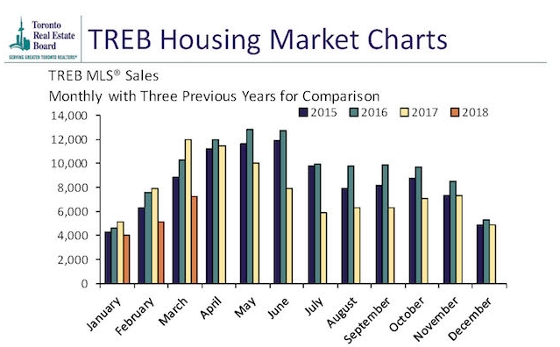
This is a really well laid out summary of all of the major indications to watch in the real estate market, complete with visually simple and clear charts. BuzzBuzznews does a nice job of explaining sales so it’s clear they are talking about transaction volume, and then they separately address price, which is the thing all homeowners care about. They also show how the market has shifted to lower priced properties (mostly driven by the new mortgage qualification rules) and the resulting trend toward alternatives to detached homes, such as apartments/condo’s and townhouses.


"What’s going on here: The Toronto Real Estate Board shows how home sales have varied on a month-to-month basis over the past three years.

The takeaway: Sales are inching up month-over-month in the GTA, though they’re still well below previous years. It could be a sign that sales will continue to climb in the coming months." According to BuzzBuzzNews


The net–net: prices are set to rise, and it’s a balanced market so its good time to move out of one property (sell) and get into another (buy).  We’re here to help understand the market as we see it, and particularly the effect of the last week of sunny weather. Call any time.  905-220-7993


#LindaMaguireRE 

Read

Be careful when making a home purchase offer without a Financing Condition 

- Couple ordered to pay $470,000 after reneging on Ontario home deal


A recent Toronto Start article highlighted the risk of not including a Financing Condition on your house purchase offer.  Back in late 2016 and early 2017, it became customary to see buyers making home purchases with no conditions, i.e., not conditional on financing. Many buyers subsequently bought homes, and then were unable to close, as the price of their existing feel with the market correction.  Many of those buyers are now in court attempting to recover their deposits.  The first of those cases in Ontario has now reached a conclusion, with the defaulting buyers now obligated to pay damages of $470,000!


Damages associated with backing away from a firm (no conditions) house purchase can be quite extensive, as they include the drop in price of the subject home, in the time from the initial deal (housing price peak) to the sale price when the house was later relisted and resold at a lower market.  As an example, if a house sold with no conditions in the spring of 2017, for $1.0 million, and then had to be relisted and resold after the market correction, for 15% less at $850,000, the damages would include the price reduction of $150,000.  Legal costs could also be awarded.


We’re likely to see many more of these stories as these many cases work their way through the Ontario courts.    


Firm buyers often win in competition, and although the market is fairly balanced now, we still see competition for some properties.  Should buyers go firm on house purchases?  It’s obviously risky.  In some cases the seller will not resist giving the buyer the deposit back.  In others, the seller is willing to go to court for damages.   If you’re dealing with a mortgage broker, he/she should help you figure out.  If not, call us and we’ll connect you to our mortgage broker – she’s outstanding and has helped many of our clients.


https://bit.ly/2Hre7Mr


#LindaMaguirerRE #Burlington #Oakville #BurlOak #BurlON


Read

GTA Home Pricing is far better than most reports imply.


From a pricing standpoint, the spring GTA Housing Market is better than many publications imply.  To understand why, we need to put the current market in context.  It’s a unique time in the history of housing in the Greater Toronto Area (GTA) as a result of the previous three successive years (2016, 2015 and 2014) in which we saw unprecedented annual price increases, first 10% then 20% and then a 35% jump! That three year backdrop makes it easy to misunderstand, and easy to be misled by, current announcements of real estate market statistics.  Most year-over-year reports on PRICE are indicating a 15% drop March 2018 over March 2017, along with speculation about the reasons (government intervention, mortgage qualification rules and interest rate fears).  But if you’ve owned a home for the last four years, even with this latest 15% price drop, you’ve made a spectacular and rare return on investment, and its tax free for most people.  Home equity has increased dramatically in that time. 


Is a 15% PRICE DROP good or bad?  Obviously if you’re planning to sell soon, a small portion of your recent equity growth has been eroded. But the price drop is also a good thing in some ways.  Market speculators are leaving the housing market since flipping a home is no longer a safe bet. Speculators represent a false element of home demand, so it’s a good thing that the market is now less driven by their activity.  Also, the price drop over the last twelve months is a long-expected correction of a previously unsustainable price surge.  The market is now returning to a balanced position, where neither the buyer nor the seller has a consistent upper hand.  Balanced markets are good for all consumers, as it reduces the likelihood of catastrophic mistakes by those who cannot afford them (like the homeowners who bought not-yet-built homes at the highest price points of the market, hoping to sell their current home later at a market-peak price, only to discover that they are now in real trouble because they overpaid for the new build and cannot afford to sell their existing home at current prices.)


Click the link to read economist Derek Holt’s view, written by Sarah Niedoba

http://news.buzzbuzzhome.com/2018/04/gta-housing-market-much-better-people-think-economist-says-yes.html


Read

Consumers don’t care about housing VOLUME statistics: they care about PRICE


Real estate publications (real estate boards, national newspapers and various associations) write their reports in a way that confuses consumers. Consumers of their analysis cannot easily interpret the reporting of SALES VOLUME from the reporting of PRICE CHANGES.  Homebuyers and sellers care about PRICE, and yet the reporting typically starts with an inarticulate reference to the market TRANSACTION VOLUME, not PRICE.


GTA housing prices


Here’s a recent example:

According to data released by (…a real estate board) last week, sales were down a whopping 39.5 per cent year-over-year in March (2018).


Homeowners read this and think the worst – that their home is now worth 39% less. That's not true. 


These reports start by confusingly highlighting something that most consumers really don’t care about and don’t want to learn about – TRANSACTION VOLUME. The word “Sales” means transaction volume.  It’s the number of homes that changed hands.  Who cares about VOLUME?  Economists, newspapers and market analysts.  To them it implies something about the evolving state of the economy. 


The thing that consumers care about is home PRICE.  When consumers read most reports on the housing market, the reader must diligently wade past the confusing “Sales” mentions, and get to the portion on PRICE.  I look forward to the point when these publishers recognize the consumer need and clearly state their findings in capital letters, with the most important topic first.  Here’s what that would look like:


Housing PRICES are up/down by X% in the last year-over-year period.

Housing TRANSACTIONS are up/down by Y% in the same period.


That is actually what these publications are trying to communicate, but as a homeowner/homebuyer reader, you need to be careful and clear minded to distill most reports down to those two points. 


Read More


#LindaMaguireRE

Read
The trademarks REALTOR®, REALTORS®, and the REALTOR® logo are controlled by The Canadian Real Estate Association (CREA) and identify real estate professionals who are member’s of CREA. The trademarks MLS®, Multiple Listing Service® and the associated logos are owned by CREA and identify the quality of services provided by real estate professionals who are members of CREA. Used under license.